
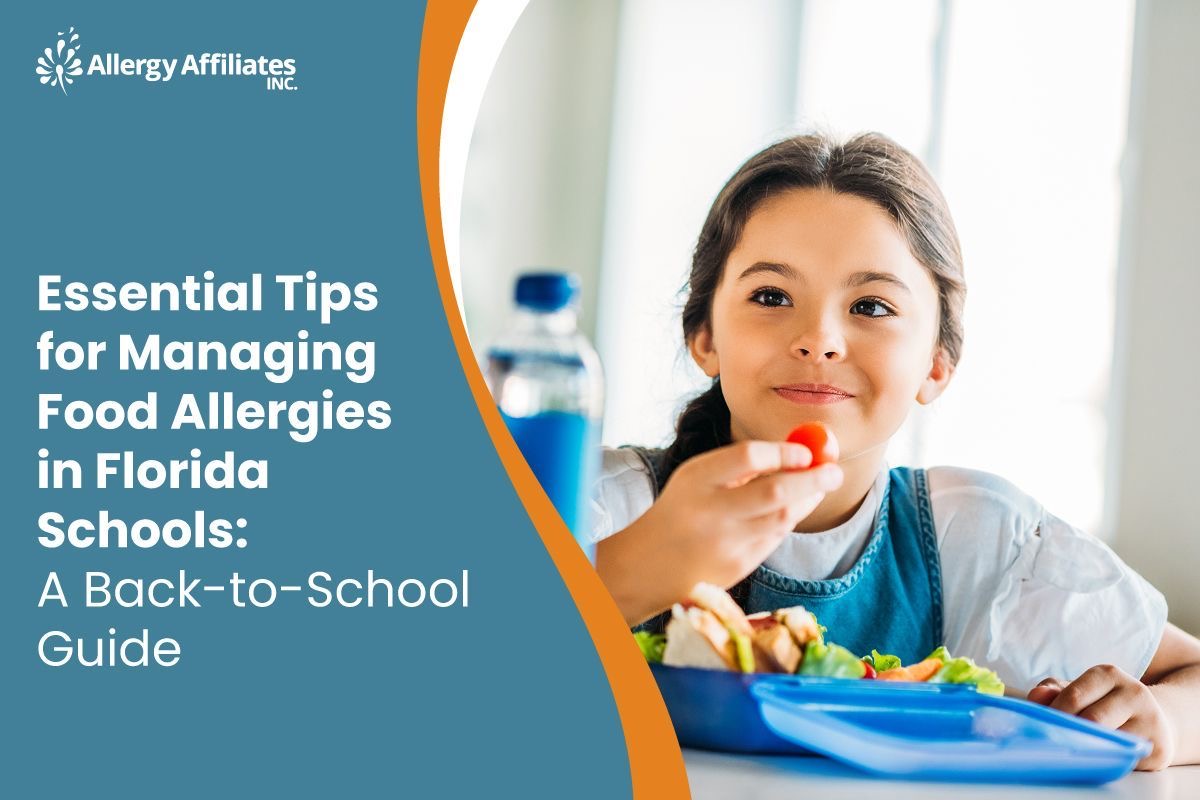
The holiday season is a time for joy, gatherings, travel, and of course food. From festive dinners to office parties and family potlucks, celebrations often revolve around meals. For individuals and families living with food allergies, this time of year requires extra planning and awareness. With the right precautions, you can enjoy the holidays safely and confidently.
1. Always Read Labels - Every Single Time
Even if you’ve purchased a product before, read food labels carefully every time. Ingredients and manufacturing processes can change without notice.
Be especially cautious of:
• Shared manufacturing facilities (cross-contamination warnings)
• Seasonal or limited-edition products
• Imported foods with different labeling standards
Watch for Hidden Allergens:
Some allergens may not be obvious at first glance. Common examples include:
• Milk or butter in baked goods
• Nuts or nut oils in sauces and desserts
• Soy or wheat in gravies, marinades, and processed foods
• Sesame, which may be hidden in spice blends or toppings
When in doubt, do not eat it.
2. Ask Questions When Eating Outside the Home
At parties, restaurants, or family gatherings:
• Ask how the food was prepared
• Confirm all ingredients, including garnishes and sauces
• Avoid foods where preparation details are unclear
Never assume a dish is “safe,” even if it looks familiar or someone says it’s allergy-friendly.
3. Always Carry Emergency Medications
If you or your child has food allergies:
• Carry an antihistamine for mild allergic reactions
• Always have an epinephrine auto-injector (EpiPen) available if there is a history of severe reactions
Keep medications easily accessible not in a car or checked luggage and make sure family members or friends know where they are and how to use them.
4. Act Fast During Severe Reactions
For symptoms such as:
• Difficulty breathing
• Swelling of the lips, tongue, or throat
• Dizziness or fainting
• Repetitive vomiting
• Widespread hives with other symptoms
Give epinephrine immediately and call 911 right away.
Do not delay treatment. Early use of epinephrine saves lives. It is always better to treat sooner rather than later.
5. Be Careful Outdoors: Insects Can Be a Hidden Risk
Holiday travel and outdoor activities especially in warmer climates can increase exposure to insects.
Fire Ants and Bee Stings:
• Fire ants can cause severe allergic reactions in some individuals
• Bee or wasp stings may trigger anaphylaxis in those with venom allergies
Safety Tips:
• Wear closed-toe shoes and socks when outdoors
• Avoid walking barefoot on grass, sand, or near picnic areas
• Be cautious around trash cans, outdoor food areas, and flowering plants
If you have a known insect venom allergy, carry your epinephrine at all times, even if food isn’t involved.
6. Plan Ahead for Peace of Mind
A little preparation goes a long way:
• Bring safe snacks or dishes to share
• Inform hosts about allergies ahead of time
• Travel with a written allergy action plan
• Ensure medications are not expired
Final Thoughts
The holidays should be about connection and celebration not stress or emergency room visits. With vigilance, preparation, and prompt action when needed, individuals with food allergies can enjoy the season safely.
Stay informed, stay prepared, and don’t hesitate to act quickly if a reaction occurs. Wishing you and your family a safe, healthy, and joyful holiday season.