
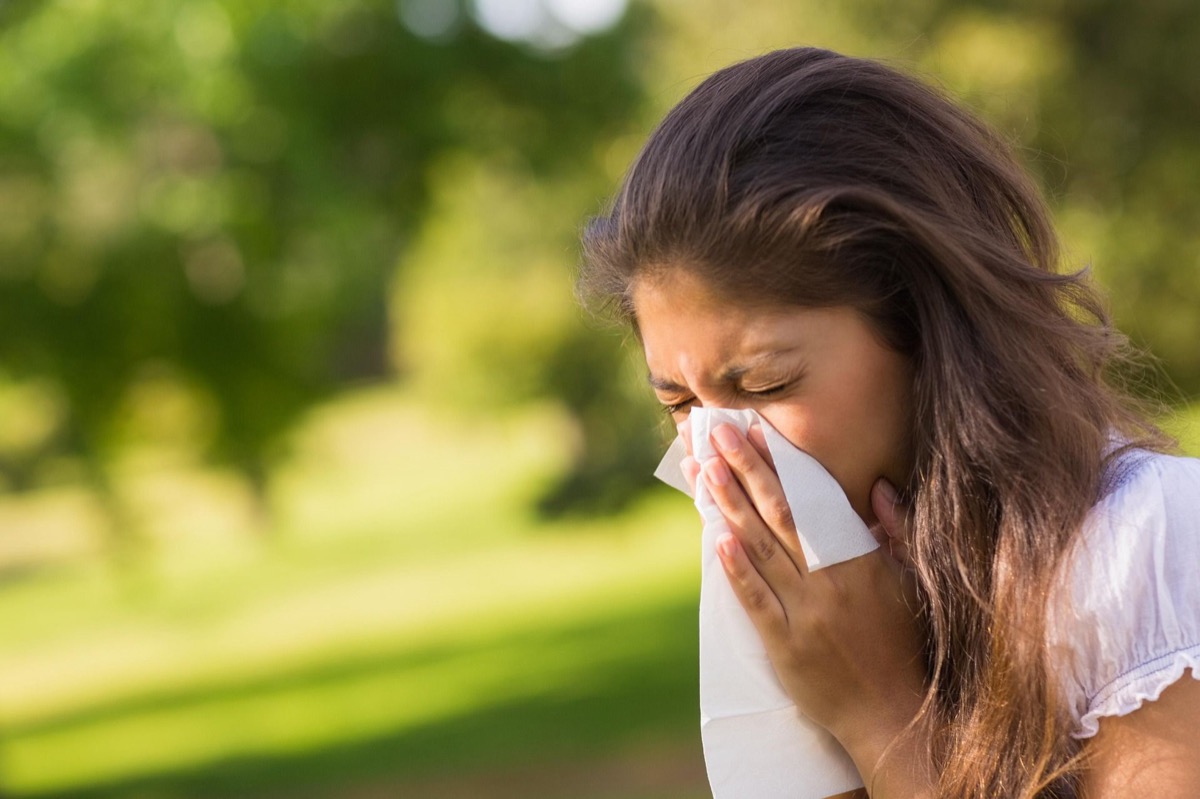
Winter is just starting, but we’re still seeing fall allergies hanging on much longer than usual. Patients are walking in congested, with red, itchy eyes and nonstop sneezing people who normally start feeling better by now. A lot of moms are saying, “My child was fine last year, but now he wakes up stuffed every morning.” And it’s not just kids adults are feeling it too.
1. Allergy season is starting earlier and sticking around longer
Winters aren’t staying cold for long, and plants like that. Trees start releasing pollen sooner, and they don’t stop as fast. So instead of a short, sharp season, it’s turning into a long slow grind.
What that means in real life: people are walking around tired, with brain fog, because they’re basically inflamed for months.
What helps (simple things first):
-
Please don’t wait until you feel miserable. Start your allergy meds before your worst month.
-
Keep car windows up on high-pollen days, especially on school drop-off and pickup.
-
Shower and change clothes after yard work or sports. Pollen sits in hair and on skin and keeps irritating you.
-
If you’re doing all of that and you’re still sniffling every day, that’s usually when we talk about allergy shots or sublingual therapy.
2. Food allergies are showing up in more ages (not just little kids)
We are seeing more adults suddenly reacting to foods they ate for years with no problem. Nuts and shellfish are still big, but sesame is becoming a quiet troublemaker because it’s in breads, sauces, dressings, seasoning blends, etc.
What to do if you think you reacted:
-
Take it seriously the first time. Don’t “test it again tomorrow just to check.”
-
Read labels. Sesame can hide under names like tahini, “spices,” etc.
-
If you’ve ever had mouth/throat swelling, trouble breathing, or hives after eating something you need to be seen.
3. Florida makes allergies louder
Because it’s warm and humid, plants and mold don’t really “shut off.” Up north, you might get a true break in winter. Here, we don’t get the same reset. So for many of our Lakewood Ranch / Sarasota patients, allergies feel “year-round,” not “seasonal.”
How to live with Florida air and still function:
-
Rinse your nose with saline at the end of the day.
-
Wash pillowcases more often.
-
Run a HEPA purifier in the bedroom at night.
4. Allergy care is getting more personal
Now we can be much more specific. We test to see exactly what you’re reacting to oak vs grass vs dust mite vs pet dander vs certain foods and we build a plan around you, not ‘people like you.’
Inside the clinic, we’re also using tools that help track triggers and symptoms over time so we’re not guessing. That way, if you tell us, “Every afternoon around 3 I start getting pressure here,” we can line that up with pollen data, indoor exposure, even what you ate.
5. Prevention is the main difference between “annoying” and “miserable”
This is the most honest advice we can give you: allergy care works best when you don’t ignore early signs.
If you’re waking up stuffy every morning, if your child is rubbing their eyes all day at school, if you’re losing sleep because you can’t breathe through your nose that’s the moment to come in.
Here’s what we tell our own families:
-
Know what you’re allergic to.
-
Start treatment before your worst month.
-
Control the air in the rooms where you spend the most time.
-
Stay on top of it. Allergies are not “one and done.”
When should you call us?
Call us if:
-
Over-the-counter meds stopped working.
-
You’re getting constant sinus pressure or headaches.
-
Your child is coughing at night or wheezing with activity.
-
You had a possible food reaction and now you’re nervous to eat that food again.
We can test, treat, and build a real plan not just “take Zyrtec and hope.”
We’re local, we know this pollen, and we see this every single day.