
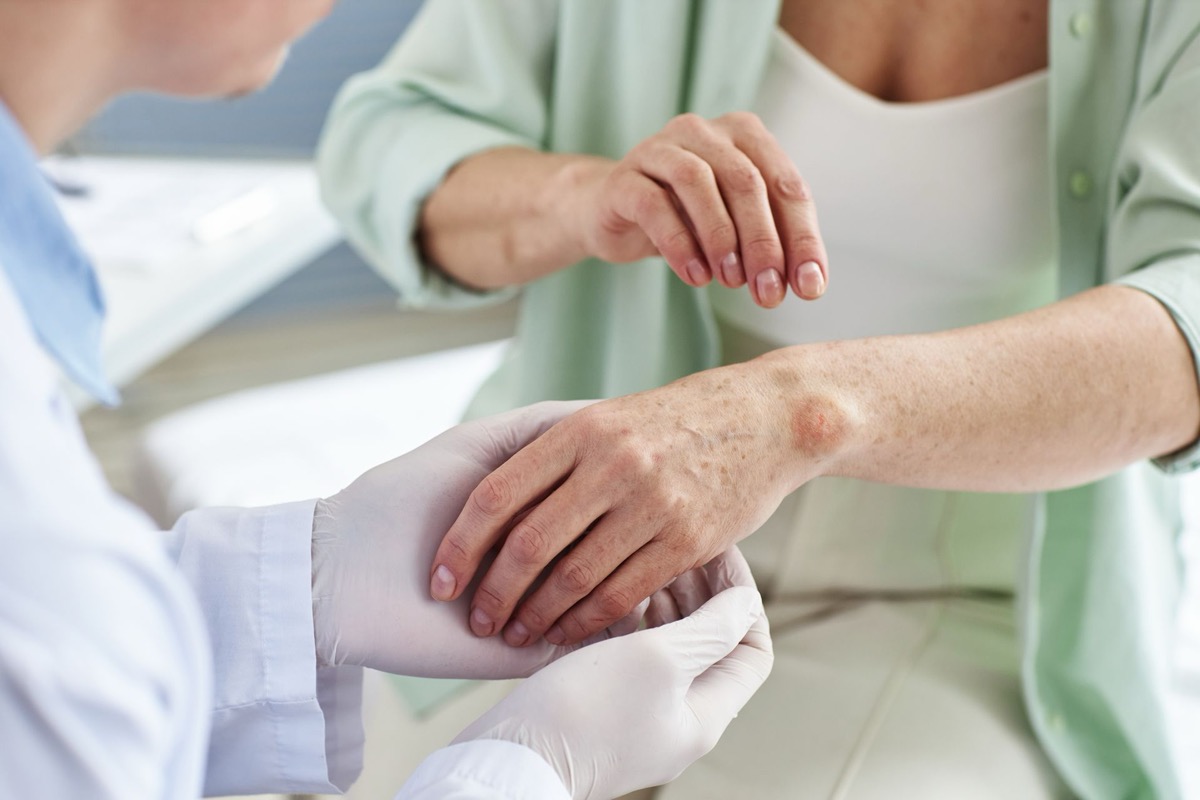
At Allergy Affiliates, families from Bradenton and nearby areas often reach out with
concerns about skin rashes, itchiness, or irritation that seem to appear after contact with
everyday items. Understanding what causes these reactions and how to prevent them is
the first step toward lasting relief.
What Is Contact Dermatitis?
Contact dermatitis is a skin reaction that occurs when something touches the skin and
causes irritation or an allergic response. It’s common in Florida because outdoor activities,
swimming, and changes in weather expose the skin to many new substances.
There are two main types of contact dermatitis:
- Irritant Contact Dermatitis (ICD): This happens when a chemical or physical substance
directly damages the skin. Common triggers include soaps, cleaning sprays, pool chemicals,
and even rough surfaces on playground equipment. A classic example is poison ivy, which
typically causes redness, itching, and a rash. Treatment involves topical or oral
corticosteroids to calm the inflammation.
- Allergic Contact Dermatitis (ACD): This occurs when the immune system reacts to an
allergen that the skin has come into contact with. Everyday culprits include fragrances, hair
dyes, gel nail products, and metals like nickel found in jewelry or belt buckles. Treatment
for allergic contact dermatitis usually involves steroids for acute flares and long-term
avoidance of the allergen once identified.
The Common North American Contact Dermatitis Panel
At our Bradenton clinic, we use the Common North American Contact Dermatitis Panel,
which includes 80 allergens frequently responsible for skin reactions. This comprehensive
test detects sensitivities to ingredients found in cosmetics, clothing, metals, and personal
care products helping us pinpoint the cause of recurring rashes with precision.
The Patch Testing Process: What to Expect
Patch testing is the gold standard for diagnosing allergic contact dermatitis. It’s a simple,
non-invasive, three-day process designed to identify your specific allergen:
- Day 1 (Monday): Patches containing small amounts of allergens are placed on your back.
- Day 3 (Wednesday): The patches are removed and the initial reactions are noted.
- Day 4 (Thursday): The final reading is performed to confirm which substances triggered a
response.
During testing, your back must remain dry, so plan ahead and avoid showering or activities
that cause sweating. This ensures accurate results and prevents patch displacement.
What You Can Do at Home
While waiting for your appointment or results, try the following:
- Take note of new exposures: Have you used a new lotion, detergent, or shampoo recently?
- Avoid known triggers: Remove metal jewelry, switch to fragrance-free products, and wear
breathable fabrics.
- Soothe the skin: Apply cool compresses and gentle, fragrance-free moisturizers to reduce
itching and dryness.
Relief and Prevention
The goal of patch testing isn’t just diagnosis it’s empowerment. Once you know which
allergens affect you, you can confidently choose products and fabrics that keep your skin
healthy. Our team provides personalized education on what to avoid and recommends safe
alternatives.
Compassionate Care in Bradenton
- A caring team many of us, including members of Dr. Sabharwal’s family, have personally
experienced skin allergies and understand the frustration they cause
Ready for Relief?
If you or your child are struggling with a persistent rash, don’t wait for it to fade on its own.
Call Allergy Affiliates in Bradenton today to schedule your patch test and take the first step
toward lasting comfort and healthy skin.