
Understanding Contact Dermatitis: Causes, Testing, and Treatment in Bradenton
5 October 2025

At Allergy Affiliates, families from Bradenton and nearby areas often reach out with
concerns about skin rashes, itchiness, or irritation that seem to appear after contact with
everyday items. Understanding what causes these reactions and how to prevent them is
the first step toward lasting relief.
What Is Contact Dermatitis?
Contact dermatitis is a skin reaction that occurs when something touches the skin and
causes irritation or an allergic response. It’s common in Florida because outdoor activities,
swimming, and changes in weather expose the skin to many new substances.
There are two main types of contact dermatitis:
• Irritant Contact Dermatitis (ICD): This happens when a chemical or physical substance
directly damages the skin. Common triggers include soaps, cleaning sprays, pool chemicals,
and even rough surfaces on playground equipment. A classic example is poison ivy, which
typically causes redness, itching, and a rash. Treatment involves topical or oral
corticosteroids to calm the inflammation.
• Allergic Contact Dermatitis (ACD): This occurs when the immune system reacts to an
allergen that the skin has come into contact with. Everyday culprits include fragrances, hair
dyes, gel nail products, and metals like nickel found in jewelry or belt buckles. Treatment
for allergic contact dermatitis usually involves steroids for acute flares and long-term
avoidance of the allergen once identified.
The Common North American Contact Dermatitis Panel
At our Bradenton clinic, we use the Common North American Contact Dermatitis Panel,
which includes 80 allergens frequently responsible for skin reactions. This comprehensive
test detects sensitivities to ingredients found in cosmetics, clothing, metals, and personal
care products helping us pinpoint the cause of recurring rashes with precision.
The Patch Testing Process: What to Expect
Patch testing is the gold standard for diagnosing allergic contact dermatitis. It’s a simple,
non-invasive, three-day process designed to identify your specific allergen:
• Day 1 (Monday): Patches containing small amounts of allergens are placed on your back.
• Day 3 (Wednesday): The patches are removed and the initial reactions are noted.
• Day 4 (Thursday): The final reading is performed to confirm which substances triggered a
response.
During testing, your back must remain dry, so plan ahead and avoid showering or activities
that cause sweating. This ensures accurate results and prevents patch displacement.
What You Can Do at Home
While waiting for your appointment or results, try the following:
• Take note of new exposures: Have you used a new lotion, detergent, or shampoo recently?
• Avoid known triggers: Remove metal jewelry, switch to fragrance-free products, and wear
breathable fabrics.
• Soothe the skin: Apply cool compresses and gentle, fragrance-free moisturizers to reduce
itching and dryness.
Relief and Prevention
The goal of patch testing isn’t just diagnosis it’s empowerment. Once you know which
allergens affect you, you can confidently choose products and fabrics that keep your skin
healthy. Our team provides personalized education on what to avoid and recommends safe
alternatives.
Compassionate Care in Bradenton
• A caring team many of us, including members of Dr. Sabharwal’s family, have personally
experienced skin allergies and understand the frustration they cause
Ready for Relief?
If you or your child are struggling with a persistent rash, don’t wait for it to fade on its own.
Call Allergy Affiliates in Bradenton today to schedule your patch test and take the first step
toward lasting comfort and healthy skin.

The body content of your post goes here. To edit this text, click on it and delete this default text and start typing your own or paste your own from a different source.

If you're living with asthma here in Florida, you've probably noticed that your symptoms can feel quite different from what friends or family experience in drier climates. As an asthma doctor in Bradenton , I see this reality every day in my practice. Florida's year-round humidity creates unique challenges for asthma management that require specialized understanding and treatment approaches. The good news? With the right knowledge and medical support, you can absolutely live well with asthma in our beautiful state. Let me walk you through what makes Florida different for asthma sufferers and how we can work together to keep your symptoms under control. Why Florida's Humidity Hits Asthma Differently When humidity levels consistently hover above 60% — which they do for much of the year here in Bradenton and Sarasota — your airways face different challenges than they would in Arizona or Colorado. Humid air is heavier and harder to breathe, especially when your airways are already sensitive and prone to inflammation. Think of it this way: when you're breathing humid air, your lungs have to work harder to extract the oxygen you need. For someone with asthma, whose airways are already narrowed and inflamed, this extra work can trigger symptoms like wheezing, shortness of breath, and that tight feeling in your chest. But humidity doesn't just make breathing harder — it also creates the perfect environment for asthma triggers to thrive. Mold spores love moisture, dust mites multiply rapidly in humid conditions, and even cockroach allergens become more problematic in our climate. This means you're often dealing with multiple triggers at once, which can make asthma symptoms more frequent and severe. Florida's Triple Threat: Mold, Dust Mites, and Cockroach Allergens In my years as an allergist in Bradenton, FL , I've seen how these three allergens create ongoing challenges for my patients. Let me break down why each one thrives here and what you might be experiencing: Mold: With our frequent afternoon thunderstorms and high humidity, mold grows both indoors and outdoors year-round. You might notice your asthma worsening during particularly rainy periods, or when you're in areas of your home that tend to stay damp — like bathrooms, basements, or areas around air conditioning units. Dust Mites: These microscopic creatures feed on dead skin cells and thrive in humidity levels above 50%. Since Florida rarely drops below that threshold, dust mites are a year-round problem rather than the seasonal issue they might be up north. If your asthma symptoms are consistently worse at night or first thing in the morning, dust mites in your bedding could be the culprit. Cockroach Allergens: This one surprises many patients, but cockroach droppings and shed skin are significant asthma triggers, especially in urban areas. Even if you never see the insects themselves, their allergens can linger in homes and buildings, particularly affecting children's asthma. When Allergies and Asthma Team Up Against You Here's something that many of my patients don't realize when they first come to see me: about 80% of people with asthma also have allergies, and those allergies are often major asthma triggers. We call this "allergic asthma," and it's incredibly common here in Florida. You might have allergic asthma if you notice your symptoms flare up when you're exposed to specific triggers like: Pet dander (even if you don't have pets, allergens can be carried on clothing) Pollen from our abundant oak, pine, and grass species The mold and dust mites we just discussed Strong scents or cleaning products The frustrating thing about allergic asthma is that managing it requires addressing both the asthma symptoms and the underlying allergic reactions. Your rescue inhaler might help when you're having trouble breathing, but if we don't identify and treat your specific allergens, you'll likely keep having flare-ups. This is where allergy testing becomes crucial. As an allergy specialist in Lakewood Ranch and throughout our region, I use comprehensive testing to pinpoint exactly what's triggering your symptoms. Once we know your specific triggers, we can create a treatment plan that goes beyond just managing symptoms to actually reducing your body's allergic response. Signs Your Current Inhaler Isn't Enough I understand the temptation to try managing asthma symptoms on your own, especially when you have a rescue inhaler that provides quick relief. However, there are clear signs that indicate you need more comprehensive care from an asthma specialist: You're using your rescue inhaler more than twice a week for symptoms (not including pre-exercise use). This suggests your asthma isn't well-controlled and you need a daily controller medication. You're waking up at night due to asthma symptoms more than twice a month. Nighttime symptoms are a red flag that your asthma needs better management. Your symptoms are limiting your activities. Whether it's avoiding exercise, staying indoors on certain days, or missing work or school, asthma shouldn't dictate your lifestyle. You've had an asthma attack requiring urgent care or hospitalization. This indicates your current treatment plan needs adjustment. You're not sure what triggers your symptoms or feel like "everything" seems to set off your asthma. This suggests you need professional help identifying and managing your specific triggers. If any of these sound familiar, please don't wait. Well-controlled asthma should allow you to live a full, active life — even here in Florida's challenging climate. Comprehensive Asthma Care at Allergy Affiliates When you come to see me at Allergy Affiliates, we take a comprehensive approach to asthma management that goes far beyond just prescribing medications. Here's what you can expect: Detailed Asthma Action Plans: Every patient receives a personalized asthma action plan that outlines exactly what medications to take when, how to recognize worsening symptoms, and when to seek emergency care. These plans are especially important in Florida, where trigger exposure can be unpredictable. Comprehensive Allergy Testing: We use both skin tests and blood tests to identify your specific triggers. This isn't just about confirming what you suspect — often, patients are surprised to learn about triggers they never considered. Immunotherapy Options: For patients with allergic asthma, immunotherapy (allergy shots or sublingual tablets) can be life-changing. By gradually exposing your immune system to small amounts of your allergens, we can reduce your body's overreaction and significantly improve your asthma control. Environmental Control Strategies: I provide specific, practical advice for reducing trigger exposure in your home and workplace. This might include recommendations for air purifiers, humidity control, bedding choices, and cleaning strategies that work in our climate. Advanced Medication Management: Beyond rescue inhalers, we have many excellent controller medications, biologics for severe asthma, and combination treatments that can provide much better symptom control. Living with asthma in Florida doesn't have to mean constantly worrying about your next flare-up or avoiding activities you enjoy. With proper diagnosis, treatment, and ongoing management, most of my patients achieve excellent asthma control and return to living life on their own terms. The key is working with someone who understands both asthma management and the unique challenges of our Florida environment. Every patient's asthma is different, and your treatment plan should reflect your specific triggers, lifestyle, and goals. If you're struggling with asthma symptoms or feel like your current treatment isn't giving you the control you need, I'd love to help. At Allergy Affiliates, we're dedicated to helping patients throughout Bradenton, Sarasota, and Lakewood Ranch breathe easier and live better. Schedule an appointment today by calling 941-792-4151 or visit allergyaffiliates.com. Together, we can create an asthma management plan that works for you and Florida's unique climate.

What Primary Care Doctors Handle Well for Allergies

This is a subtitle for your new post

Chronic Hives: Causes, Triggers, and When to See a Specialist

Living in beautiful Bradenton, Florida means enjoying year-round sunshine, but it also means dealing with some unique indoor allergy challenges that many of my patients don't realize are affecting their daily comfort. As an allergist who has been treating families throughout the Bradenton and Sarasota area for years, I've seen how our subtropical climate creates the perfect storm for indoor allergens to flourish. If you or your child are experiencing persistent sneezing, itchy eyes, congestion, or skin irritation at home, you're not alone. Many families I work with are surprised to discover that their symptoms aren't just from outdoor pollen – they're often reacting to invisible allergens right inside their homes. Let me walk you through the top five indoor allergens I see affecting Bradenton families, and more importantly, what we can do about them. Our beautiful Gulf Coast location comes with high humidity levels that rarely drop below 60%, even with air conditioning running. This moisture, combined with our warm temperatures, creates an ideal breeding ground for several types of allergens that might be less problematic in drier climates. Additionally, because we keep our windows closed and air conditioning running most of the year, allergens can become trapped and concentrated inside our homes. I often tell my patients that understanding these environmental factors is the first step in taking control of their allergy symptoms. Now, let's dive into the specific allergens that are likely hiding in your Bradenton home. Allergen #1: Dust Mites (The Humidity Lovers) Dust mites are microscopic creatures that feed on dead skin cells we naturally shed every day. While they're found in homes everywhere, they absolutely thrive in our humid Florida environment. These tiny bugs live in mattresses, pillows, carpets, upholstered furniture, and even stuffed animals. What makes dust mites particularly problematic in Bradenton is that our humidity rarely drops to the level (below 50%) where they start to die off. I've had patients who moved here from drier climates and suddenly developed allergy symptoms they'd never experienced before – dust mites are often the culprit. Signs you might be allergic to dust mites include: Waking up with a stuffy nose or sneezing fits Symptoms that worsen when making beds or vacuuming Persistent cough, especially at night Eczema flare-ups, particularly in children The good news is that dust mite allergies respond well to environmental controls like allergen-proof mattress covers, washing bedding in hot water weekly, and maintaining lower indoor humidity levels when possible. Allergen #2: Mold and Mildew (The Hidden Invaders) Mold is perhaps the most insidious indoor allergen I deal with in the Bradenton area. Our year-round moisture creates perfect conditions for mold growth in places you might not even think to look: behind bathroom tiles, in air conditioning ducts, around windows, and even in seemingly dry areas like closets. I've seen families spend months treating allergy symptoms without improvement, only to discover significant mold growth in their HVAC system. Because we rely so heavily on air conditioning here, contaminated ductwork can circulate mold spores throughout your entire home. Watch for these signs of mold allergies: Symptoms that worsen during rainy seasons Persistent cough or wheezing Skin reactions that don't respond to typical eczema treatment Symptoms that improve when you're away from home If you suspect mold, it's important to address both the source and your body's reaction. Professional mold remediation may be necessary, and we can help determine if mold is triggering your symptoms through proper allergy testing. Allergen #3: Pet Dander (More Than Just Fur) Many families assume that pet allergies are just about fur, but the real culprit is actually dander – microscopic flakes of skin that all warm-blooded pets shed. These particles are incredibly light and can stay airborne for hours, settling on furniture, clothing, and even walls. What makes pet dander particularly challenging in Florida homes is that our closed-up, air-conditioned environments allow these allergens to accumulate rather than being naturally ventilated away. I've worked with families who have had their beloved pets for years before developing allergies, often due to this buildup over time. Pet allergies can manifest as: Immediate sneezing or congestion around animals Itchy, watery eyes Eczema flare-ups after petting animals Asthma symptoms that worsen at home The wonderful news is that you don't necessarily have to give up your furry family members. Many of my patients find relief through a combination of environmental management, regular pet grooming, and appropriate medical treatment. Allergen #4: Cockroach Droppings (More Common Than You'd Think) This might be uncomfortable to discuss, but cockroach allergens are incredibly common in our warm, humid climate – even in clean, well-maintained homes. Cockroaches are naturally drawn to Florida's environment, and their droppings, shed skins, and saliva contain proteins that trigger allergic reactions in many people. You don't need to see cockroaches to be exposed to their allergens. These particles can persist in dust long after the insects are gone, and they're particularly problematic for children with asthma. In fact, cockroach allergen exposure is one of the most significant triggers for asthma symptoms in urban and suburban areas. This type of allergy often causes: Persistent asthma symptoms, especially in children Chronic congestion that doesn't respond to typical treatments Skin reactions that seem to have no clear trigger Symptoms that are worse in kitchens or bathrooms Professional pest control, thorough cleaning, and sealing entry points can help reduce exposure, while medical treatment can provide symptom relief. Allergen #5: Pollen Drift (The Outdoor Invader) Even with windows closed and air conditioning running, pollen finds its way into our Bradenton homes. It comes in on our clothes, shoes, and hair, and can even enter through small gaps around doors and windows. Our year-round growing season means there's almost always something blooming and releasing pollen. Unlike outdoor pollen exposure, indoor pollen accumulation can cause symptoms that persist even when outdoor counts are lower. I often see patients in Lakewood Ranch and Sarasota whose symptoms don't correlate perfectly with daily pollen reports because they're reacting to pollen that's built up inside their homes over time. Indoor pollen exposure typically causes: Classic hay fever symptoms (sneezing, runny nose, itchy eyes) Symptoms that don't match outdoor pollen forecasts Morning symptoms that improve throughout the day Reactions that seem seasonal but linger longer than expected Testing and Treatment Options at Allergy Affiliates If you're experiencing persistent allergy symptoms at home, the most important step is identifying exactly what's triggering your reactions. At Allergy Affiliates, we use comprehensive allergy testing to pinpoint your specific sensitivities, rather than having you guess or try to eliminate potential allergens one by one. Our allergy testing process is straightforward and can usually be completed in a single visit. We test for all the common indoor allergens I've discussed, plus outdoor pollens and food allergens that might be contributing to your symptoms. For families searching for "allergy testing near me bradenton," we're conveniently located to serve the entire Bradenton, Sarasota, and Lakewood Ranch area. Once we identify your triggers, we develop a personalized treatment plan that might include: Environmental control recommendations specific to your home and allergens Medications to provide symptom relief Immunotherapy (allergy shots) for long-term improvement Specialized eczema treatment for patients whose skin symptoms are allergy-related For patients dealing with eczema, it's particularly important to identify and address underlying allergic triggers. Our comprehensive approach to eczema treatment in Bradenton includes both managing the skin condition and treating the allergies that may be making it worse. As your allergist in Bradenton, FL, my goal is to help you enjoy your home comfortably again. Indoor allergies can significantly impact your quality of life, affecting your sleep, work performance, and family activities. But with proper identification and treatment, most patients see substantial improvement in their symptoms. Don't let indoor allergies keep you from enjoying your Florida home. Many of my patients tell me they wish they'd sought help sooner – the relief that comes from finally understanding and treating your allergies is truly life-changing. If you're ready to take control of your indoor allergy symptoms and start feeling better in your own home, I'd love to help. Schedule an appointment at Allergy Affiliates by calling 941-792-4151 or visit allergyaffiliates.com. Together, we can identify what's triggering your symptoms and develop a treatment plan that works for your family's lifestyle.

Florida’s oak pollen season can trigger severe allergies. Learn symptoms, causes, and how professional allergy testing can help you find lasting relief.
The body content of your post goes here. To edit this text, click on it and delete this default text and start typing your own or paste your own from a different source.

If you live in Florida, you already know this: spring allergies don’t wait for spring. Tree pollen season often starts earlier than expected, and right now across Florida, tree pollen counts are already in the medium to high range. Here in the Bradenton area, oak trees are a major culprit. Oak pollen is heavy, airborne, and well known for causing severe allergy symptoms. COMMON SPRING ALLERGY SYMPTOMS Tree pollen allergies commonly cause allergic rhinitis symptoms such as: - Nasal congestion or stuffy nose - Runny nose - Post-nasal drip - Sneezing and frequent sniffling Eye symptoms are also very common and include: - Itchy eyes - Watery eyes - Red or irritated eyes WHY OVER-THE-COUNTER MEDICATIONS OFTEN DON’T WORK Many people start with over-the-counter allergy medications and keep switching from one to another hoping for relief. Sometimes they help, sometimes they don’t, and often they only provide partial relief. If allergies are not properly controlled, they can lead to complications such as: - Sinus infections - Bronchitis - Worsening asthma symptoms Each allergy season can feel worse than the last if the course of allergies is not modified. KNOW WHAT YOU ARE ALLERGIC TO Treating allergies without knowing the trigger often leads to frustration. Professional allergy testing helps identify exactly what is causing your symptoms. At Allergy Affiliates, we test for common allergens in our area including: - Tree pollens (such as oak) - Weeds and grasses - Mold - Dust mites - Cat and dog dander - Other household allergens LONG-TERM RELIEF WITH ALLERGEN IMMUNOTHERAPY Allergen immunotherapy helps desensitize your immune system to the allergens causing your symptoms. Over time, this can significantly reduce symptoms, decrease the need for medications, and help prevent worsening allergies in future seasons. ADDRESSING ALLERGIES AND ASTHMA If your allergies are making your asthma worse, we can also perform breathing tests and help manage asthma with appropriate medications to improve breathing and quality of life. DON’T LET ALLERGIES CONTROL YOUR SPRING Spring in Florida should be enjoyed, not endured. If your allergies are persistent, getting worse each year, or affecting your sinuses or lungs, it may be time for a professional evaluation and long-term treatment plan.
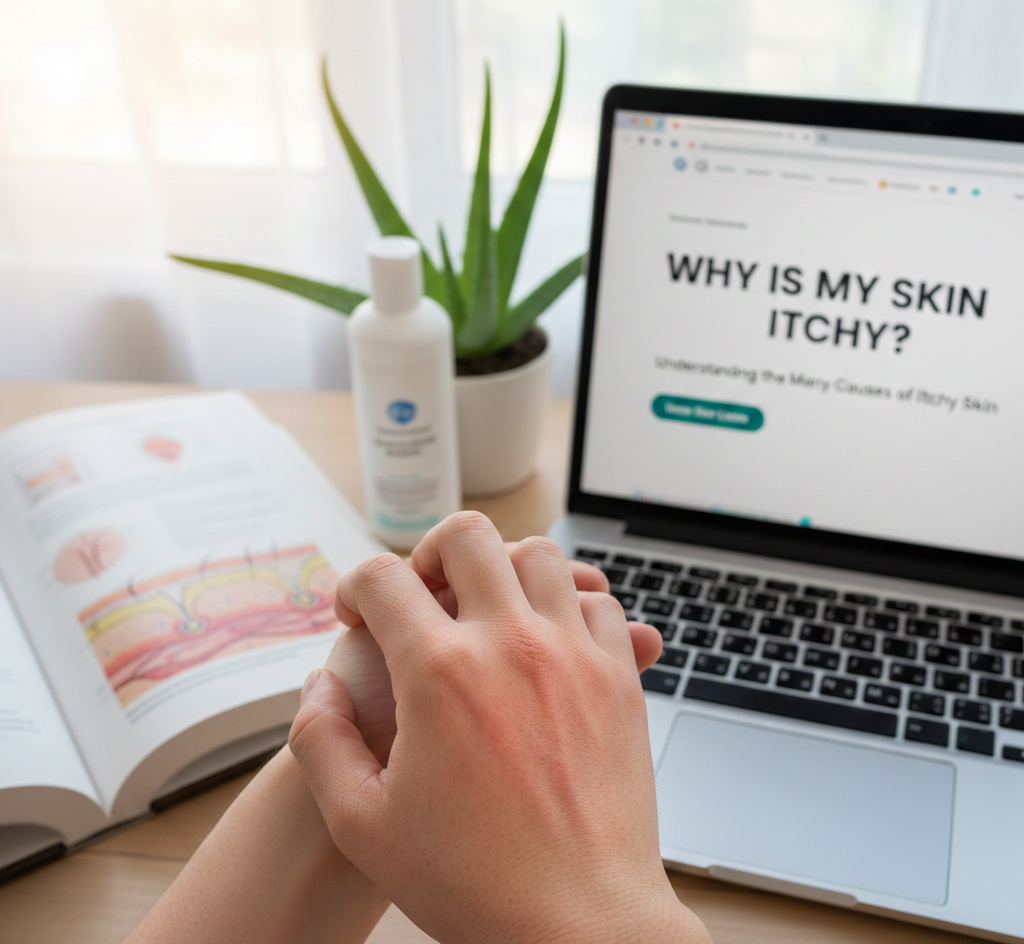
Itchy skin (also called pruritus) is a very common complaint. While many people assume itching is caused by dry skin or allergies, itching can have many different causes. Identifying the root cause is important to ensure proper treatment. Common Causes of Itchy Skin Medications Certain prescription and over-the-counter medications can cause itching, sometimes even without a visible rash. This may be due to allergic reactions, histamine release, or effects on the liver or kidneys. Antibiotics, pain medications, blood pressure medications, and cholesterol medications are common examples. Contact Allergens (Contact Dermatitis) Direct contact with substances such as soaps, detergents, fragrances, cosmetics, metals like nickel, latex, or topical medications can cause contact dermatitis. This often presents as itching with small, raised, palpable bumps. If the rash is bumpy and itchy but not hives, it is often dermatitis. Environmental Allergens Environmental allergens such as pollen, dust mites, mold, and animal dander can also contribute to itching, especially in individuals with allergies, asthma, or eczema. Supplements and Herbal Products Natural supplements and herbal products can also trigger itching. These products can cause allergic reactions or interact with medications. It is important to inform your healthcare provider about all supplements you are taking. Medical Causes of Itching High Eosinophils Eosinophils are allergy-related white blood cells. Elevated eosinophil levels can cause itching and skin inflammation and are commonly associated with allergic and inflammatory conditions. Atopic Dermatitis (Eczema) Atopic dermatitis is a chronic inflammatory skin condition that causes dry, itchy, and irritated skin. It often runs in families and is associated with allergies and asthma. Autoimmune Conditions Autoimmune diseases such as thyroid disorders and lupus can cause itching. These conditions may also present with fatigue, joint pain, or other systemic symptoms. Serious Causes That Must Be Ruled Out In rare cases, chronic itching may be associated with cancer, liver disease, or kidney disease. Persistent unexplained itching should always be evaluated by a healthcare provider. Infections and Infestations Before diagnosing allergies or dermatitis, conditions such as scabies, bed bugs, flea bites, and other skin infections must be ruled out, as they require different treatments. Conclusion Itchy skin is a symptom, not a diagnosis. The cause can range from simple contact irritation to complex medical conditions. Proper evaluation helps guide effective treatment and long-term relief.