Exploring Treatment Options for Insect Sting Allergies
20 July 2025
Exploring Treatment Options for Insect Sting Allergies

Understanding Insect Sting Allergies


Introduction

Insect sting allergies can range from minor irritations to severe, life-threatening reactions. As individuals enjoy outdoor activities, the risk of insect stings and the potential for an allergic reaction increases. Understanding the nature of these allergies and exploring the available treatment options can significantly enhance safety and quality of life for those who are allergic. This article delves into the symptoms, risk factors, and diagnostic approaches related to insect sting allergies, aiming to provide a comprehensive guide for managing and treating these conditions effectively.


Understanding Insect Sting Allergies

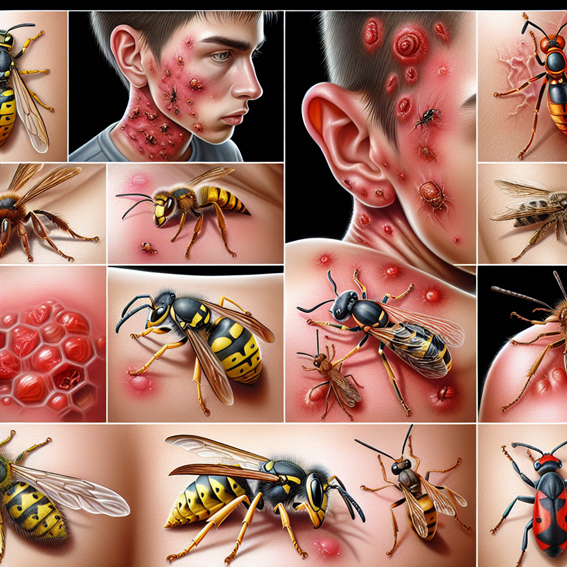
Insect stings can elicit allergic reactions when a person's immune system overreacts to the venom injected by insects such as bees, wasps, hornets, yellow jackets, or fire ants. For individuals with insect sting allergies, exposure can lead to intense reactions, making it crucial to recognize symptoms and take preventive measures.


Common Symptoms and Reactions

The symptoms of insect sting allergies can vary from mild to severe and may occur immediately after the sting or develop over a few hours. Common symptoms include:

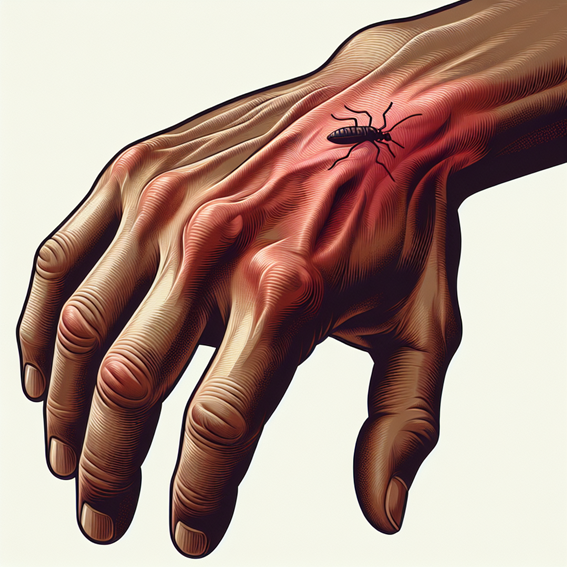
- Localized Reactions: Initial signs typically involve redness, swelling, and pain at the sting site. These symptoms are common and usually subside within a few hours.

- Mild Systemic Reactions: These extend beyond the sting site, causing hives, itchiness, or swelling in other body parts.

- Severe Systemic Reactions (Anaphylaxis): In sensitized individuals, this can lead to difficulty breathing, a drop in blood pressure, nausea, vomiting, diarrhea, and even loss of consciousness. Anaphylaxis is a medical emergency requiring immediate attention and treatment with an epinephrine auto-injector.

Understanding and recognizing these symptoms are vital, especially for individuals living in areas with high insect activity or those with a history of reactions.


Risk Factors for Severe Allergic Reactions

Certain factors may increase individuals' risk of developing severe allergic reactions to insect stings:

- Previous Anaphylactic Reactions: Those who have experienced severe reactions in the past are more likely to have similar or worse reactions upon subsequent stings.

- Multiple Stings: Receiving multiple stings at once can increase venom levels in the body, heightening the risk of a severe reaction.

- Underlying Health Conditions: Conditions such as asthma or a family history of allergic reactions may predispose some individuals to more intense reactions.

- Age and Occupation: Young children and adults who work outdoors or engage in activities where insects are common may face enhanced exposure risk.

Reducing these risks involves proactive measures such as wearing protective clothing and utilizing insect repellents when necessary.


Diagnosing Insect Sting Allergies

Accurate diagnosis is critical for managing insect sting allergies effectively. Diagnostic processes typically include:

- Detailed Medical History: A physician will review the patient’s reaction history, identifying possible insect sting triggers and assessing previous symptoms.

- Skin Testing: This involves placing small amounts of insect venom on the skin's surface with a small needle prick. Observing the skin's reaction helps determine sensitization.

- Blood Tests: Specific IgE blood tests can confirm the presence of antibodies to particular insect venoms, providing further insight into allergy severity.

Seeking consultation with an allergist is essential for individuals who suspect an allergy. Such specialists can effectively evaluate symptoms and provide a tailored treatment plan that may include prescription of emergency medication and discussing long-term management strategies such as venom immunotherapy.

Experts can effectively evaluate symptoms and provide a personalized treatment plan. This may involve prescribing emergency medication and exploring long-term management options such as venom immunotherapy.

The ability to recognize and address insect sting allergies adequately can substantially reduce their impact on one's daily life and offer a sense of security during outdoor pursuits. It is essential for those with known allergies to consult an allergist regularly and remain educated on the latest developments in treatment and prevention strategies.


Immediate Treatment Options


When an insect sting occurs, it is crucial to act swiftly to manage symptoms and prevent severe reactions. Immediate treatment not only alleviates discomfort but also plays a critical role in averting life-threatening situations. Below, we explore basic first aid measures, emergency responses for severe reactions, and the strategic use of epinephrine auto-injectors.


Basic First Aid for Insect Stings

Basic first aid can be immensely helpful in reducing pain and swelling following an insect sting. Here are the essential steps:

- Remove the Stinger: If a stinger is still lodged in the skin, carefully scrape it out with a blunt object like a credit card. Avoid using tweezers, as squeezing the stinger can release more venom.

- Clean the Area: Wash the affected area with soap and water to remove dirt and prevent infection.

- Apply a Cold Compress: Use an ice pack or a cloth soaked in cold water to reduce swelling and numb the pain. Apply it intermittently for 10-minute intervals.

- Take Oral Antihistamines: Over-the-counter antihistamines, such as diphenhydramine (Benadryl), can help mitigate itching and swelling.

- Apply Topical Treatments: Hydrocortisone cream or calamine lotion may be used to soothe itching and irritation.

These steps are effective for mild reactions, but they are not sufficient for severe allergic responses.


Emergency Response for Severe Reactions

A serious allergic reaction, or anaphylaxis, to an insect sting requires immediate medical attention. Recognizing the symptoms is the first critical step. Symptoms may include trouble breathing, swelling of the face or throat, rapid pulse, dizziness, or loss of consciousness. If anaphylaxis is suspected:

- Call 911 Immediately: Emergency medical personnel can provide life-saving interventions.

- Position the Victim Properly: Lay the person flat and elevate their legs slightly. If they are vomiting or have trouble breathing, turn them on their side.

- Monitor Breathing and Circulation: Be prepared to administer CPR if the person ceases to breathe or their heart stops.


The Use of Epinephrine Auto-Injectors

Epinephrine auto-injectors are essential tools for those with known severe insect sting allergies. Here’s how to use them effectively:

- Know When to Use It: Administer the auto-injector at the first sign of a severe allergic reaction.

- Follow the Instructions: Familiarize yourself with the specific auto-injector you have, as instructions can vary slightly.

- Administer the Injection: Inject into the outer thigh, pressing firmly until the needle is deployed. Hold it in place as directed to ensure the medication is fully delivered.

- Seek Emergency Medical Attention: Using an epinephrine auto-injector is only a part of the emergency response. Further medical evaluation and treatment are necessary even if symptoms temporarily subside.


Long-Term Treatment Solutions

Beyond immediate intervention, it is essential for individuals with severe insect allergies to pursue long-term treatment strategies. These treatments can significantly reduce the risk of future reactions and improve quality of life.


Allergy Shots for Bee and Wasp Stings

Allergy shots, officially known as allergen immunotherapy, are a common long-term treatment for insect sting allergies. They involve periodic injections of small amounts of venom to build up immunity over time. The procedure generally follows two phases:

- Build-Up Phase: Injections are given weekly or bi-weekly for several months, gradually increasing in dosage.

- Maintenance Phase: Once the optimum dosage is reached, injections are administered monthly for three to five years.


Venom Immunotherapy Explained

Venom immunotherapy (VIT) is highly effective in preventing future allergic reactions to insect stings. Here’s what you need to know:

- Effectiveness: VIT can reduce the risk of systemic allergic reactions from stings by approximately 97% after adequate treatment.

- Eligibility: Most individuals who have experienced an anaphylactic reaction to insect stings are candidates for VIT.

- Commitment: VIT requires regular follow-up with an allergist, making adherence crucial for long-term success.


Rush Immunotherapy for Quick Protection

For those in need of rapid protection, rush immunotherapy offers an accelerated solution.

- Process: Multiple injections are administered over a few days to quickly build up immunity.

- Benefits: This approach provides faster protection, which can be beneficial for those entering an active insect season.

- Considerations: While effective, rush immunotherapy may present a higher risk of side effects and requires close medical supervision.

Exploring these long-term treatment solutions with a qualified allergist ensures that individuals with insect sting allergies find the most suitable strategy tailored to their needs and lifestyle. Through a combination of immediate and ongoing care, the risk and severity of allergic reactions can be greatly minimized.


Preventive Measures for Insect Sting Allergies


Preventive measures are crucial for individuals prone to insect sting allergies. By implementing effective strategies, it is possible to reduce the likelihood of stings and subsequent allergic reactions.


Identifying and Avoiding High-Risk Areas

Insects such as bees, wasps, hornets, and fire ants are known offenders when it comes to stings. These stinging insects are often found in specific environments:

- Gardens and Parks: Flowering plants attract bees, while picnic areas often become breeding grounds for these insects.

- Wooded Areas: Hornets and wasps typically construct their nests in trees.

- Yards with Unattended Trash: Open garbage cans or uncovered food can draw these insects.

To minimize exposure, it is advisable to familiarize yourself with these areas and adjust your outdoor activities accordingly.


Tips for Reducing Exposure to Stinging Insects

There are numerous effective practices that can help reduce exposure to stinging insects:

- Dress Appropriately: Wearing long-sleeved shirts and pants can provide a barrier against stings.

- Avoid Using Strong Fragrances: Perfumes and scented lotions can attract insects.

- Choose Light-Colored Clothing: Dark or bright colors might attract more attention from bees and wasps.

- Inspect Outdoor Areas: Before settling down for outdoor activities, ensure the area is clear of nests and active insects.

- Secure Food and Drinks: Keep food covered and drinks sealed to avoid attracting stingers.

By incorporating these tips into your daily routine, you can greatly lessen the risk of encountering stinging insects.


Preventive Options for Children

Children are particularly vulnerable to insect stings due to their playful behavior and curiosity. Preventive measures specifically tailored for children include:

- Educate Your Child: Teach them to recognize stinging insects and to avoid them.

- Keep Snacks Covered: When outside, ensure that all sweets and snacks are in closed containers.

- Supervision During Outdoor Play: Monitor outdoor activities and ensure play areas are free of nests and hives.

- Consider Medical Identification: Children with known severe allergies may benefit from wearing a medical alert bracelet.

Implementing these preventive strategies can help keep children safe and reduce the risk of distress caused by insect stings.


Conclusion


Insect sting allergies can be serious and potentially life-threatening, but there are effective treatments available to manage symptoms and reduce risks. The combination of immediate first aid, emergency epinephrine use, and long-term venom immunotherapy provides a comprehensive approach to treatment. By working closely with an allergist, individuals can customize a treatment plan that fits their specific needs. It's crucial to stay informed about preventative measures and treatment options to ensure safety and peace of mind during outdoor activities.

Insect Causing Allergy
Book an Appointment
by Pankaj Sabharwal 27 April 2026
Living in beautiful Bradenton, Florida means enjoying year-round sunshine, but it also means dealing with some unique indoor allergy challenges that many of my patients don't realize are affecting their daily comfort. As an allergist who has been treating families throughout the Bradenton and Sarasota area for years, I've seen how our subtropical climate creates the perfect storm for indoor allergens to flourish. If you or your child are experiencing persistent sneezing, itchy eyes, congestion, or skin irritation at home, you're not alone. Many families I work with are surprised to discover that their symptoms aren't just from outdoor pollen – they're often reacting to invisible allergens right inside their homes. Let me walk you through the top five indoor allergens I see affecting Bradenton families, and more importantly, what we can do about them. Our beautiful Gulf Coast location comes with high humidity levels that rarely drop below 60%, even with air conditioning running. This moisture, combined with our warm temperatures, creates an ideal breeding ground for several types of allergens that might be less problematic in drier climates. Additionally, because we keep our windows closed and air conditioning running most of the year, allergens can become trapped and concentrated inside our homes. I often tell my patients that understanding these environmental factors is the first step in taking control of their allergy symptoms. Now, let's dive into the specific allergens that are likely hiding in your Bradenton home. Allergen #1: Dust Mites (The Humidity Lovers) Dust mites are microscopic creatures that feed on dead skin cells we naturally shed every day. While they're found in homes everywhere, they absolutely thrive in our humid Florida environment. These tiny bugs live in mattresses, pillows, carpets, upholstered furniture, and even stuffed animals. What makes dust mites particularly problematic in Bradenton is that our humidity rarely drops to the level (below 50%) where they start to die off. I've had patients who moved here from drier climates and suddenly developed allergy symptoms they'd never experienced before – dust mites are often the culprit. Signs you might be allergic to dust mites include: Waking up with a stuffy nose or sneezing fits Symptoms that worsen when making beds or vacuuming Persistent cough, especially at night Eczema flare-ups, particularly in children The good news is that dust mite allergies respond well to environmental controls like allergen-proof mattress covers, washing bedding in hot water weekly, and maintaining lower indoor humidity levels when possible. Allergen #2: Mold and Mildew (The Hidden Invaders) Mold is perhaps the most insidious indoor allergen I deal with in the Bradenton area. Our year-round moisture creates perfect conditions for mold growth in places you might not even think to look: behind bathroom tiles, in air conditioning ducts, around windows, and even in seemingly dry areas like closets. I've seen families spend months treating allergy symptoms without improvement, only to discover significant mold growth in their HVAC system. Because we rely so heavily on air conditioning here, contaminated ductwork can circulate mold spores throughout your entire home. Watch for these signs of mold allergies: Symptoms that worsen during rainy seasons Persistent cough or wheezing Skin reactions that don't respond to typical eczema treatment Symptoms that improve when you're away from home If you suspect mold, it's important to address both the source and your body's reaction. Professional mold remediation may be necessary, and we can help determine if mold is triggering your symptoms through proper allergy testing. Allergen #3: Pet Dander (More Than Just Fur) Many families assume that pet allergies are just about fur, but the real culprit is actually dander – microscopic flakes of skin that all warm-blooded pets shed. These particles are incredibly light and can stay airborne for hours, settling on furniture, clothing, and even walls. What makes pet dander particularly challenging in Florida homes is that our closed-up, air-conditioned environments allow these allergens to accumulate rather than being naturally ventilated away. I've worked with families who have had their beloved pets for years before developing allergies, often due to this buildup over time. Pet allergies can manifest as: Immediate sneezing or congestion around animals Itchy, watery eyes Eczema flare-ups after petting animals Asthma symptoms that worsen at home The wonderful news is that you don't necessarily have to give up your furry family members. Many of my patients find relief through a combination of environmental management, regular pet grooming, and appropriate medical treatment. Allergen #4: Cockroach Droppings (More Common Than You'd Think) This might be uncomfortable to discuss, but cockroach allergens are incredibly common in our warm, humid climate – even in clean, well-maintained homes. Cockroaches are naturally drawn to Florida's environment, and their droppings, shed skins, and saliva contain proteins that trigger allergic reactions in many people. You don't need to see cockroaches to be exposed to their allergens. These particles can persist in dust long after the insects are gone, and they're particularly problematic for children with asthma. In fact, cockroach allergen exposure is one of the most significant triggers for asthma symptoms in urban and suburban areas. This type of allergy often causes: Persistent asthma symptoms, especially in children Chronic congestion that doesn't respond to typical treatments Skin reactions that seem to have no clear trigger Symptoms that are worse in kitchens or bathrooms Professional pest control, thorough cleaning, and sealing entry points can help reduce exposure, while medical treatment can provide symptom relief. Allergen #5: Pollen Drift (The Outdoor Invader) Even with windows closed and air conditioning running, pollen finds its way into our Bradenton homes. It comes in on our clothes, shoes, and hair, and can even enter through small gaps around doors and windows. Our year-round growing season means there's almost always something blooming and releasing pollen. Unlike outdoor pollen exposure, indoor pollen accumulation can cause symptoms that persist even when outdoor counts are lower. I often see patients in Lakewood Ranch and Sarasota whose symptoms don't correlate perfectly with daily pollen reports because they're reacting to pollen that's built up inside their homes over time. Indoor pollen exposure typically causes: Classic hay fever symptoms (sneezing, runny nose, itchy eyes) Symptoms that don't match outdoor pollen forecasts Morning symptoms that improve throughout the day Reactions that seem seasonal but linger longer than expected Testing and Treatment Options at Allergy Affiliates If you're experiencing persistent allergy symptoms at home, the most important step is identifying exactly what's triggering your reactions. At Allergy Affiliates, we use comprehensive allergy testing to pinpoint your specific sensitivities, rather than having you guess or try to eliminate potential allergens one by one. Our allergy testing process is straightforward and can usually be completed in a single visit. We test for all the common indoor allergens I've discussed, plus outdoor pollens and food allergens that might be contributing to your symptoms. For families searching for "allergy testing near me bradenton," we're conveniently located to serve the entire Bradenton, Sarasota, and Lakewood Ranch area. Once we identify your triggers, we develop a personalized treatment plan that might include: Environmental control recommendations specific to your home and allergens Medications to provide symptom relief Immunotherapy (allergy shots) for long-term improvement Specialized eczema treatment for patients whose skin symptoms are allergy-related For patients dealing with eczema, it's particularly important to identify and address underlying allergic triggers. Our comprehensive approach to eczema treatment in Bradenton includes both managing the skin condition and treating the allergies that may be making it worse. As your allergist in Bradenton, FL, my goal is to help you enjoy your home comfortably again. Indoor allergies can significantly impact your quality of life, affecting your sleep, work performance, and family activities. But with proper identification and treatment, most patients see substantial improvement in their symptoms. Don't let indoor allergies keep you from enjoying your Florida home. Many of my patients tell me they wish they'd sought help sooner – the relief that comes from finally understanding and treating your allergies is truly life-changing. If you're ready to take control of your indoor allergy symptoms and start feeling better in your own home, I'd love to help. Schedule an appointment at Allergy Affiliates by calling 941-792-4151 or visit allergyaffiliates.com. Together, we can identify what's triggering your symptoms and develop a treatment plan that works for your family's lifestyle.
A man sits on a park bench in Florida, visibly suffering from allergies as he rubs his eyes and hold
by Pankaj Sabharwal 26 March 2026
Florida’s oak pollen season can trigger severe allergies. Learn symptoms, causes, and how professional allergy testing can help you find lasting relief.
by Pankaj Sabharwal 14 March 2026
The body content of your post goes here. To edit this text, click on it and delete this default text and start typing your own or paste your own from a different source.
by Pankaj Sabharwal 4 February 2026
If you live in Florida, you already know this: spring allergies don’t wait for spring. Tree pollen season often starts earlier than expected, and right now across Florida, tree pollen counts are already in the medium to high range. Here in the Bradenton area, oak trees are a major culprit. Oak pollen is heavy, airborne, and well known for causing severe allergy symptoms. COMMON SPRING ALLERGY SYMPTOMS Tree pollen allergies commonly cause allergic rhinitis symptoms such as: - Nasal congestion or stuffy nose - Runny nose - Post-nasal drip - Sneezing and frequent sniffling Eye symptoms are also very common and include: - Itchy eyes - Watery eyes - Red or irritated eyes WHY OVER-THE-COUNTER MEDICATIONS OFTEN DON’T WORK Many people start with over-the-counter allergy medications and keep switching from one to another hoping for relief. Sometimes they help, sometimes they don’t, and often they only provide partial relief. If allergies are not properly controlled, they can lead to complications such as: - Sinus infections - Bronchitis - Worsening asthma symptoms Each allergy season can feel worse than the last if the course of allergies is not modified. KNOW WHAT YOU ARE ALLERGIC TO Treating allergies without knowing the trigger often leads to frustration. Professional allergy testing helps identify exactly what is causing your symptoms. At Allergy Affiliates, we test for common allergens in our area including: - Tree pollens (such as oak) - Weeds and grasses - Mold - Dust mites - Cat and dog dander - Other household allergens LONG-TERM RELIEF WITH ALLERGEN IMMUNOTHERAPY Allergen immunotherapy helps desensitize your immune system to the allergens causing your symptoms. Over time, this can significantly reduce symptoms, decrease the need for medications, and help prevent worsening allergies in future seasons. ADDRESSING ALLERGIES AND ASTHMA If your allergies are making your asthma worse, we can also perform breathing tests and help manage asthma with appropriate medications to improve breathing and quality of life. DON’T LET ALLERGIES CONTROL YOUR SPRING Spring in Florida should be enjoyed, not endured. If your allergies are persistent, getting worse each year, or affecting your sinuses or lungs, it may be time for a professional evaluation and long-term treatment plan.
by Pankaj Sabharwal 25 January 2026
Itchy skin (also called pruritus) is a very common complaint. While many people assume itching is caused by dry skin or allergies, itching can have many different causes. Identifying the root cause is important to ensure proper treatment. Common Causes of Itchy Skin Medications Certain prescription and over-the-counter medications can cause itching, sometimes even without a visible rash. This may be due to allergic reactions, histamine release, or effects on the liver or kidneys. Antibiotics, pain medications, blood pressure medications, and cholesterol medications are common examples. Contact Allergens (Contact Dermatitis) Direct contact with substances such as soaps, detergents, fragrances, cosmetics, metals like nickel, latex, or topical medications can cause contact dermatitis. This often presents as itching with small, raised, palpable bumps. If the rash is bumpy and itchy but not hives, it is often dermatitis. Environmental Allergens Environmental allergens such as pollen, dust mites, mold, and animal dander can also contribute to itching, especially in individuals with allergies, asthma, or eczema. Supplements and Herbal Products Natural supplements and herbal products can also trigger itching. These products can cause allergic reactions or interact with medications. It is important to inform your healthcare provider about all supplements you are taking. Medical Causes of Itching High Eosinophils Eosinophils are allergy-related white blood cells. Elevated eosinophil levels can cause itching and skin inflammation and are commonly associated with allergic and inflammatory conditions. Atopic Dermatitis (Eczema) Atopic dermatitis is a chronic inflammatory skin condition that causes dry, itchy, and irritated skin. It often runs in families and is associated with allergies and asthma. Autoimmune Conditions Autoimmune diseases such as thyroid disorders and lupus can cause itching. These conditions may also present with fatigue, joint pain, or other systemic symptoms. Serious Causes That Must Be Ruled Out In rare cases, chronic itching may be associated with cancer, liver disease, or kidney disease. Persistent unexplained itching should always be evaluated by a healthcare provider. Infections and Infestations Before diagnosing allergies or dermatitis, conditions such as scabies, bed bugs, flea bites, and other skin infections must be ruled out, as they require different treatments. Conclusion Itchy skin is a symptom, not a diagnosis. The cause can range from simple contact irritation to complex medical conditions. Proper evaluation helps guide effective treatment and long-term relief.
by Pankaj Sabharwal 25 December 2025
The holiday season is a time for joy, gatherings, travel, and of course food. From festive dinners to office parties and family potlucks, celebrations often revolve around meals. For individuals and families living with food allergies, this time of year requires extra planning and awareness. With the right precautions, you can enjoy the holidays safely and confidently. 1. Always Read Labels - Every Single Time Even if you’ve purchased a product before, read food labels carefully every time. Ingredients and manufacturing processes can change without notice. Be especially cautious of: • Shared manufacturing facilities (cross-contamination warnings) • Seasonal or limited-edition products • Imported foods with different labeling standards Watch for Hidden Allergens: Some allergens may not be obvious at first glance. Common examples include: • Milk or butter in baked goods • Nuts or nut oils in sauces and desserts • Soy or wheat in gravies, marinades, and processed foods • Sesame, which may be hidden in spice blends or toppings When in doubt, do not eat it. 2. Ask Questions When Eating Outside the Home At parties, restaurants, or family gatherings: • Ask how the food was prepared • Confirm all ingredients, including garnishes and sauces • Avoid foods where preparation details are unclear Never assume a dish is “safe,” even if it looks familiar or someone says it’s allergy-friendly. 3. Always Carry Emergency Medications If you or your child has food allergies: • Carry an antihistamine for mild allergic reactions • Always have an epinephrine auto-injector (EpiPen) available if there is a history of severe reactions Keep medications easily accessible not in a car or checked luggage and make sure family members or friends know where they are and how to use them. 4. Act Fast During Severe Reactions For symptoms such as: • Difficulty breathing • Swelling of the lips, tongue, or throat • Dizziness or fainting • Repetitive vomiting • Widespread hives with other symptoms Give epinephrine immediately and call 911 right away. Do not delay treatment. Early use of epinephrine saves lives. It is always better to treat sooner rather than later. 5. Be Careful Outdoors: Insects Can Be a Hidden Risk Holiday travel and outdoor activities especially in warmer climates can increase exposure to insects. Fire Ants and Bee Stings: • Fire ants can cause severe allergic reactions in some individuals • Bee or wasp stings may trigger anaphylaxis in those with venom allergies Safety Tips: • Wear closed-toe shoes and socks when outdoors • Avoid walking barefoot on grass, sand, or near picnic areas • Be cautious around trash cans, outdoor food areas, and flowering plants If you have a known insect venom allergy, carry your epinephrine at all times, even if food isn’t involved. 6. Plan Ahead for Peace of Mind A little preparation goes a long way: • Bring safe snacks or dishes to share • Inform hosts about allergies ahead of time • Travel with a written allergy action plan • Ensure medications are not expired Final Thoughts The holidays should be about connection and celebration not stress or emergency room visits. With vigilance, preparation, and prompt action when needed, individuals with food allergies can enjoy the season safely. Stay informed, stay prepared, and don’t hesitate to act quickly if a reaction occurs. Wishing you and your family a safe, healthy, and joyful holiday season.
by Pankaj Sabharwal 9 December 2025
Hives and swelling can be frustrating, unpredictable, and at times even frightening especially when they come back day after day without a clear trigger. The good news is: most cases are manageable, and most are not dangerous. What Are Hives and Angioedema? Hives (Urticaria) Hives are raised, red, itchy welts that can vary in size and shape. They occur when immune cells in the skin release histamine. Hives may last minutes to hours and often move around the body. Angioedema Angioedema is deeper swelling that often affects the lips, eyes, hands, feet, or face. It may occur with or without hives. Why Do Chronic Hives Happen? Chronic urticaria is defined as hives or swelling occurring on most days for more than 6 weeks. In most patients, it is not caused by allergies. Instead, the immune system becomes overly reactive. Non-allergic triggers include: • Stress • Infections • Alcohol, NSAIDs, narcotics • Hormonal changes • Heat, pressure, scratching Are Chronic Hives Caused by Foods? Almost never. Food allergies cause immediate reactions (within 15–30 minutes) every time the food is eaten. Random hives that come and go are not caused by food allergy. Food allergy testing is usually not helpful and often leads to false positives. Should I Be Tested for Allergies? In most cases, no. Allergy testing rarely identifies a cause for chronic hives and often causes confusion. How Do We Evaluate Chronic Hives? We may perform limited blood work to rule out rare conditions. Over 80% of results are normal. A skin biopsy is rarely needed unless hives last longer than 24 hours, bruise, or are painful. How Do We Treat Chronic Urticaria? 1. Non-Drowsy Antihistamines (First Line) These include cetirizine, fexofenadine, and loratadine. Doses can be safely increased up to 4 tablets/day if needed. 2. Add-On Medications • A second antihistamine • An H2 blocker such as famotidine • A nighttime antihistamine 3. Biologics and Newer Targeted Therapies Omalizumab (Xolair) • FDA-approved for chronic urticaria • Given monthly • Often life-changing for patients who do not respond to antihistamines Dupilumab (Dupixent) Now available for chronic spontaneous urticaria. • Helps reduce hives, swelling, and itching • Works through a different immune pathway (IL‑4/IL‑13) • Useful for patients who do not respond fully to Xolair Remibrutinib (Oral BTK Inhibitor) A major advancement in chronic urticaria treatment. • Oral medication • Works by blocking a key inflammatory pathway • Rapid improvement in clinical trials • A great option for patients who prefer pills over injections 4. Immunomodulatory Medications For severe cases: • Cyclosporine • Sulfasalazine 5. Short Courses of Prednisone We avoid long-term steroid use due to side effects, but short bursts may help during severe flares. When Should I Seek Emergency Care? Seek help immediately if you experience: • Difficulty breathing • Wheezing • Throat or tongue swelling • Severe abdominal pain • Lightheadedness or fainting These symptoms are not typical of chronic urticaria and may signal a serious allergic reaction. Final Thoughts Chronic urticaria can disrupt daily life, but it is treatable. Most patients achieve excellent control with antihistamines, biologics, or newer therapies like remibrutinib. With the right plan, symptoms improve significantly—and often resolve over time.
by Pankaj Sabharwal 22 November 2025
Winter is just starting, but we’re still seeing fall allergies hanging on much longer than usual. Patients are walking in congested, with red, itchy eyes and nonstop sneezing people who normally start feeling better by now. A lot of moms are saying, “My child was fine last year, but now he wakes up stuffed every morning.” And it’s not just kids adults are feeling it too. 1. Allergy season is starting earlier and sticking around longer Winters aren’t staying cold for long, and plants like that. Trees start releasing pollen sooner, and they don’t stop as fast. So instead of a short, sharp season, it’s turning into a long slow grind. What that means in real life: people are walking around tired, with brain fog, because they’re basically inflamed for months. What helps (simple things first): - Please don’t wait until you feel miserable. Start your allergy meds before your worst month. - Keep car windows up on high-pollen days, especially on school drop-off and pickup. - Shower and change clothes after yard work or sports. Pollen sits in hair and on skin and keeps irritating you. - If you’re doing all of that and you’re still sniffling every day, that’s usually when we talk about allergy shots or sublingual therapy. 2. Food allergies are showing up in more ages (not just little kids) We are seeing more adults suddenly reacting to foods they ate for years with no problem. Nuts and shellfish are still big, but sesame is becoming a quiet troublemaker because it’s in breads, sauces, dressings, seasoning blends, etc. What to do if you think you reacted: - Take it seriously the first time. Don’t “test it again tomorrow just to check.” - Read labels. Sesame can hide under names like tahini, “spices,” etc. - If you’ve ever had mouth/throat swelling, trouble breathing, or hives after eating something you need to be seen. 3. Florida makes allergies louder Because it’s warm and humid, plants and mold don’t really “shut off.” Up north, you might get a true break in winter. Here, we don’t get the same reset. So for many of our Lakewood Ranch / Sarasota patients, allergies feel “year-round,” not “seasonal.” How to live with Florida air and still function: - Rinse your nose with saline at the end of the day. - Wash pillowcases more often. - Run a HEPA purifier in the bedroom at night. 4. Allergy care is getting more personal Now we can be much more specific. We test to see exactly what you’re reacting to oak vs grass vs dust mite vs pet dander vs certain foods and we build a plan around you, not 'people like you.' Inside the clinic, we’re also using tools that help track triggers and symptoms over time so we’re not guessing. That way, if you tell us, “Every afternoon around 3 I start getting pressure here,” we can line that up with pollen data, indoor exposure, even what you ate. 5. Prevention is the main difference between “annoying” and “miserable” This is the most honest advice we can give you: allergy care works best when you don’t ignore early signs. If you’re waking up stuffy every morning, if your child is rubbing their eyes all day at school, if you’re losing sleep because you can’t breathe through your nose that’s the moment to come in. Here’s what we tell our own families: - Know what you’re allergic to. - Start treatment before your worst month. - Control the air in the rooms where you spend the most time. - Stay on top of it. Allergies are not “one and done.” When should you call us? Call us if: - Over-the-counter meds stopped working. - You’re getting constant sinus pressure or headaches. - Your child is coughing at night or wheezing with activity. - You had a possible food reaction and now you’re nervous to eat that food again. We can test, treat, and build a real plan not just “take Zyrtec and hope.” We’re local, we know this pollen, and we see this every single day.
by Pankaj Sabharwal 17 October 2025
Eosinophilic Esophagitis (EoE) is a chronic allergic inflammation of the esophagus—the tube that carries food from the mouth to the stomach. It occurs when certain foods or environmental allergens trigger the immune system, leading to an abnormal build-up of eosinophils (a type of white blood cell) in the esophageal tissue. Over time, this inflammation can cause the esophagus to become stiff and narrow, resulting in difficulty swallowing and food impaction. Symptoms to Watch For Patients with EoE often describe food getting stuck in the throat or difficulty swallowing. They may eat slowly, take small bites, and drink water frequently during meals. In severe cases, food may become completely lodged, requiring emergency room intervention to remove it. Common symptoms include: • Difficulty swallowing (especially solid foods) • Chest discomfort or food impaction • Heartburn or reflux-like symptoms • Slow eating and frequent sipping of water during meals How Is EoE Diagnosed? Diagnosis is confirmed by performing an upper endoscopy with biopsy. The tissue sample is examined under a microscope, and the presence of 15 or more eosinophils per high-power field (HPF) confirms EoE. Because EoE can mimic acid reflux, it’s essential to consult an allergy specialist who can help distinguish between these conditions and identify potential allergic triggers. Causes and Triggers EoE can be caused by both food and environmental allergens. Common food triggers include milk, wheat, soy, eggs, and nuts. Environmental triggers such as pollen, dust mites, and molds can also play a role. At Allergy Affiliates, Dr. Geetika Sabharwal helps patients identify their triggers through detailed allergy testing and elimination strategies. Treatment Options If the specific trigger cannot be identified, several evidence-based treatments are available to control inflammation and prevent progression: • Proton Pump Inhibitors (PPIs): Reduce acid production and help with esophageal healing. • Swallowed Topical Steroids: Medications such as fluticasone or budesonide are swallowed to coat the esophagus and reduce inflammation. • Biologic Therapy (Dupixent): Dupilumab is an injectable medication that targets allergic pathways in EoE. It can be self-administered weekly at home. • Allergy Immunotherapy: Allergy shots aimed at environmental triggers can reduce overall allergic sensitivity and improve EoE symptoms in select patients. Why Early Treatment Matters If left untreated, EoE can lead to scarring, strictures, and in rare cases, perforation of the esophagus. Early diagnosis and treatment not only prevent these complications but also significantly improve swallowing function and overall quality of life. Compassionate, Personalized Care in Bradenton At Allergy Affiliates, our mission is to help patients eat comfortably and live confidently. Dr. Sabharwal and her team combine expert diagnosis with personalized allergy care to find the root cause of inflammation. Many of our team members and family members have personally experienced allergies, and we understand the challenges chronic allergic conditions can cause. Ready to Find Answers? If you or your loved one experiences difficulty swallowing, food getting stuck, or unexplained reflux, schedule an appointment at Allergy Affiliates in Bradenton. With accurate diagnosis and a tailored treatment plan, you can enjoy food again without fear or discomfort.
by Pankaj Sabharwal 5 October 2025
At Allergy Affiliates, families from Bradenton and nearby areas often reach out with concerns about skin rashes, itchiness, or irritation that seem to appear after contact with everyday items. Understanding what causes these reactions and how to prevent them is the first step toward lasting relief. What Is Contact Dermatitis? Contact dermatitis is a skin reaction that occurs when something touches the skin and causes irritation or an allergic response. It’s common in Florida because outdoor activities, swimming, and changes in weather expose the skin to many new substances. There are two main types of contact dermatitis: • Irritant Contact Dermatitis (ICD): This happens when a chemical or physical substance directly damages the skin. Common triggers include soaps, cleaning sprays, pool chemicals, and even rough surfaces on playground equipment. A classic example is poison ivy, which typically causes redness, itching, and a rash. Treatment involves topical or oral corticosteroids to calm the inflammation. • Allergic Contact Dermatitis (ACD): This occurs when the immune system reacts to an allergen that the skin has come into contact with. Everyday culprits include fragrances, hair dyes, gel nail products, and metals like nickel found in jewelry or belt buckles. Treatment for allergic contact dermatitis usually involves steroids for acute flares and long-term avoidance of the allergen once identified. The Common North American Contact Dermatitis Panel At our Bradenton clinic, we use the Common North American Contact Dermatitis Panel, which includes 80 allergens frequently responsible for skin reactions. This comprehensive test detects sensitivities to ingredients found in cosmetics, clothing, metals, and personal care products helping us pinpoint the cause of recurring rashes with precision. The Patch Testing Process: What to Expect Patch testing is the gold standard for diagnosing allergic contact dermatitis. It’s a simple, non-invasive, three-day process designed to identify your specific allergen: • Day 1 (Monday): Patches containing small amounts of allergens are placed on your back. • Day 3 (Wednesday): The patches are removed and the initial reactions are noted. • Day 4 (Thursday): The final reading is performed to confirm which substances triggered a response. During testing, your back must remain dry, so plan ahead and avoid showering or activities that cause sweating. This ensures accurate results and prevents patch displacement. What You Can Do at Home While waiting for your appointment or results, try the following: • Take note of new exposures: Have you used a new lotion, detergent, or shampoo recently? • Avoid known triggers: Remove metal jewelry, switch to fragrance-free products, and wear breathable fabrics. • Soothe the skin: Apply cool compresses and gentle, fragrance-free moisturizers to reduce itching and dryness. Relief and Prevention The goal of patch testing isn’t just diagnosis it’s empowerment. Once you know which allergens affect you, you can confidently choose products and fabrics that keep your skin healthy. Our team provides personalized education on what to avoid and recommends safe alternatives. Compassionate Care in Bradenton • A caring team many of us, including members of Dr. Sabharwal’s family, have personally experienced skin allergies and understand the frustration they cause Ready for Relief? If you or your child are struggling with a persistent rash, don’t wait for it to fade on its own. Call Allergy Affiliates in Bradenton today to schedule your patch test and take the first step toward lasting comfort and healthy skin.